Emergencies involving sewer lines can quickly escalate into significant issues, causing stress and disruption in daily life. Whether it’s a sudden sewage backup, a noticeable odor, or visible leaks in your yard, understanding the complexities of sewer line repairs can help you respond effectively. This article will explore what to look for when assessing sewer line problems, the types of services available, and the innovative techniques used in modern repairs.
Recognizing the Signs of Sewer Line Failure
Sewer line failures can manifest in various ways. Homeowners should be vigilant for specific signs that indicate potential problems. A few common symptoms include:
- Frequent backups or clogs: If multiple drains are experiencing backups simultaneously, this may signal a blockage in the main sewer line. Unpleasant odors: A foul smell coming from drains or your yard could mean sewage is leaking from broken pipes. Wet spots or sinkholes: Puddles of water in your yard or unexpected sinkholes may indicate damaged underground pipes. Gurgling sounds: Unusual noises emanating from your plumbing system often point to air trapped in the pipes due to a blockage. Slow drainage: Drains that take longer than usual to empty could suggest an obstruction further down the line.
Being proactive in identifying these warning signs can save homeowners considerable time and money. Ignoring these symptoms may lead to more extensive damage requiring immediate intervention.
Types of Sewer Line Repairs
When faced with a sewer line emergency, you might wonder about the options available for repair. Traditional methods typically involve excavation, which can be disruptive and costly. However, advancements in technology have introduced several less invasive alternatives that provide effective solutions without significant landscape disturbance.
Trenchless Pipe Repair: This method allows for repairs with minimal digging. Using advanced techniques like cured-in-place pipe lining (CIPP), technicians can insert a resin-saturated liner into existing pipes. Once cured, this liner forms a new pipe within the old one, effectively sealing leaks and restoring functionality.
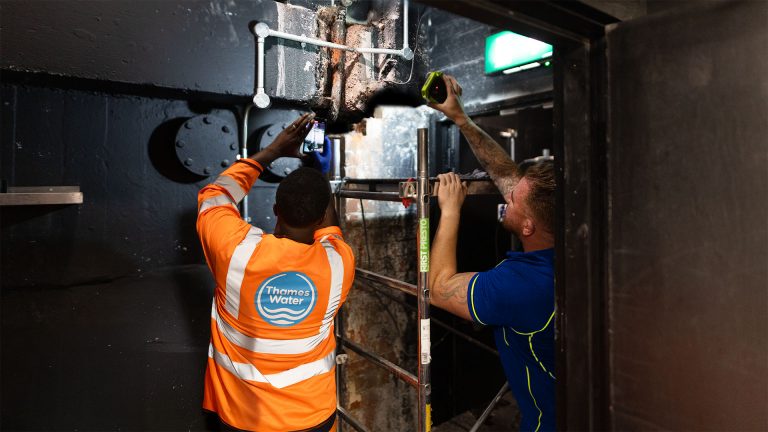
Pipe Lining Services: These services specifically focus on rehabilitating existing pipelines by reinforcing them with new materials. The process usually involves cleaning the pipe interior before applying a mixture of epoxy resin that hardens into a durable lining.
No-Dig Pipe Repair: Often synonymous with trenchless methods, no-dig solutions also encompass technologies that utilize smaller access points for repairs rather than full excavation.
Pipe Corrosion Repair: For aging pipes that show signs of corrosion but are not yet completely compromised, specialized coatings can be applied to extend their lifespan without necessitating replacement.
Emergency Repairs: When immediate action is required due to severe leaks or collapses, emergency plumbing services are on standby to address critical situations swiftly and effectively.
The Benefits of Trenchless Technology
Trenchless sewer repair methods offer numerous advantages over traditional excavative practices. First and foremost is the reduced disruption to your property; because trenchless techniques require only small access holes — typically at entry points — there’s little need for extensive digging across yards or driveways.
Another key benefit is efficiency. Trenchless repairs can often be completed within hours rather than days, minimizing inconvenience for homeowners and reducing labor costs associated with lengthy projects.
Furthermore, these methods tend to have long-lasting results; materials used in trenchless techniques are designed to withstand environmental factors better than older pipes. Cured-in-place pipe lining commonly lasts up to 50 years if properly maintained.
Understanding Costs Associated with Sewer Line Repairs
Costs associated with sewer line repairs can vary significantly based on several factors such as:
- The extent of damage Accessibility of the pipeline Type of repair method chosen Geographic location
For instance, traditional excavation tends to Learn more be more expensive due to labor costs involved in digging trenches and restoring landscaping afterward. In contrast, trenchless methods may come at a premium upfront but could result in lower overall costs when considering time saved and less restoration work needed post-repair.
Homeowners should expect costs ranging anywhere from $1,000 to $10,000 depending on severity and type of repair method utilized; however, obtaining multiple quotes from local plumbing experts is advisable as prices fluctuate based on market conditions and individual service providers' rates.
Choosing the Right Service Provider
Selecting a contractor for emergency sewer line repairs requires careful consideration. Look for companies specializing in trenchless technology as well as traditional methods since they’re well-equipped to assess unique situations accurately.
Verify credentials by checking licenses and insurance coverage; reputable contractors should carry both liability insurance and workers’ compensation policies protecting you from potential liabilities during work performed on your property.
Customer reviews give insight into previous experiences other homeowners have had with specific companies; seek out testimonials that detail both positive outcomes as well as any challenges encountered throughout projects undertaken by contractors you’re considering hiring.
Finally, don’t hesitate to ask about warranties offered on repairs completed — reliable service providers should stand behind their work confidently with guarantees ensuring quality outcomes over time.
Preventative Measures for Your Sewer System
While emergencies cannot always be predicted or prevented entirely, there are proactive steps homeowners can take to mitigate risks associated with sewer line failures:
Regular Inspections: Schedule routine plumbing inspections every few years—ideally every two years—to catch potential issues before they escalate into emergencies.
Proper Disposal Practices: Avoid flushing items such as wipes or grease down toilets or sinks since these materials contribute significantly towards blockages over time.
Maintain Landscaping Around Pipes: Be mindful when planting trees near your home’s utility lines; roots searching for moisture may infiltrate underground systems leading toward cracks or breaks developing over time.
Monitor Water Usage Patterns: Keep an eye on changes in drainage behavior throughout your home since alterations could signify underlying issues needing professional attention.
Know Your Plumbing Layout: Familiarize yourself with where main sewer lines run beneath your property so you can easily identify areas potentially affected by heavy traffic above ground disrupting soil stability around sensitive piping structures below ground level.
By taking these measures seriously along with recognizing early warning signs related closely tied back towards overall maintenance practices concerning household sewage systems — it becomes easier managing inevitable problems while maintaining peace-of-mind knowing preventative strategies implemented proactively!
Conclusion
Emergency sewer line repairs require immediate attention but understanding what services are available helps make informed decisions amid challenging circumstances surrounding plumbing crises at home! By recognizing warning signs early alongside leveraging advanced technologies like trenchless pipe rehabilitation techniques plus engaging reputable professionals ensures optimal results achieved swiftly while minimizing disruptions caused during unforeseen events arising unexpectedly within residential environments!
Effective communication between homeowners and service providers remains essential throughout any given project undertaken—questions asked regarding expectations clarified beforehand go far way promoting smoother resolutions ultimately leading back towards stability restored within households once again!