The integrity of underground piping systems is critical for both residential and commercial properties. When issues arise, such as cracked sewer pipes or damaged underground pipes, property owners are often faced with the daunting task of choosing between traditional pipe repair methods and trenchless solutions. Each approach has its own advantages and disadvantages, making it essential to understand how they differ in terms of installation processes, costs, time frames, and long-term outcomes.
Understanding Traditional Pipe Repair
Traditional pipe repair typically involves excavation. This method requires digging up the ground to access the damaged pipes directly. It is a process that can be labor-intensive and disruptive. The workers often need to remove pavement, landscaping, or other structures above the pipe, which can lead to additional restoration work once repairs are completed.
Types of Traditional Repairs
Common traditional repair methods include:
- Pipe Replacement: Removing the entire section of damaged pipe and replacing it with new material. Spot Repair: Only the affected section of the pipe is excavated and repaired or replaced. Sewer Cleanouts: Installing access points to allow for easier maintenance and future repairs.
While these methods can effectively resolve issues like broken sewer repair solutions for corrosion lines or aging sewer pipes, they come with significant drawbacks. The most notable are the disruption caused by excavation and the potential for collateral damage to surrounding areas.
Costs Involved
Costs for traditional repairs can vary widely based on factors like location, depth of the pipe, type of material used for replacement, and local labor rates. On average, homeowners might expect to pay anywhere from $50 to $250 per foot for trench excavation coupled with repair work. Additionally, unplanned expenses may arise if underlying issues are discovered during excavation.
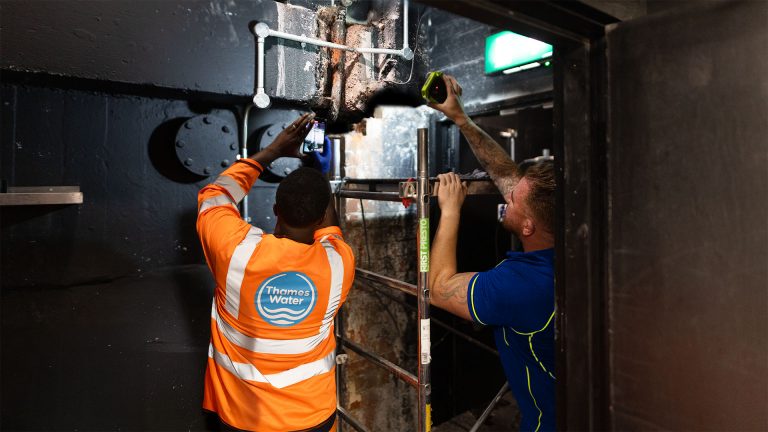
Trenchless Pipe Repair: The No-Dig Solution
Trenchless pipe repair has emerged as a popular alternative due to its ability to minimize disruption while effectively addressing sewer line failures. This method allows for repairs without extensive digging by utilizing advanced technology to restore or replace existing pipes.
Key Techniques in Trenchless Repair
Two primary methods dominate the trenchless repair landscape:
Cured-in-Place Pipe Lining (CIPP): This technique involves inserting a flexible liner coated with resin into the existing pipe. Once in position, hot water or steam cures the resin, creating a new solid lining inside the old pipe. Pipe Bursting: This method entails breaking apart an old pipe using specialized equipment while simultaneously installing a new pipe in its place.Both techniques are effective in addressing issues like leaking drain pipes or collapsed sewer lines while reducing surface disruption significantly.
Advantages Over Traditional Methods
One of the standout benefits of trenchless technology is its efficiency. Most trenchless repairs can be completed in just one day compared to several days required for traditional methods. Moreover, since only minimal excavation is needed—often just two small access points—the risk of damaging existing landscaping or pavement is greatly reduced.
In terms of cost-effectiveness, while initial costs may be higher than traditional repairs—ranging from $80 to $300 per foot—the overall savings from reduced labor costs and limited restoration work often balance out these expenses over time.
Comparing Performance Outcomes
When evaluating both methods based on performance outcomes, several factors should be considered:
Longevity
Traditional repairs can last decades if executed correctly; however, they depend heavily on soil conditions and materials used. Trenchless techniques like CIPP have been shown to extend lifespans significantly due to their enhanced resistance against corrosion and tree root intrusion—a common culprit behind sewer line failures.
Maintenance Needs
Traditional repairs might require more frequent maintenance checks due to potential weaknesses at joints or connections after reconstruction. Trenchless solutions typically offer smoother interiors that reduce friction; thus less buildup occurs over time which translates into lower maintenance needs moving forward.
Environmental Impact
Excavation associated with traditional repairs often leads not only to noise pollution but also increases dust emissions as well as environmental disturbance due to uprooted vegetation or altered water drainage patterns. In contrast—due largely because minimal ground disruption occurs—trenchless methods provide a greener solution that respects existing ecosystems better than conventional approaches do.
Situational Considerations
Choosing between these two options depends heavily on individual circumstances such as:
- Severity of Damage: For localized damage where only small sections require intervention, spot repairs may suffice. Budget Constraints: Initial costs associated with trenchless methods might be prohibitive for some homeowners despite potential long-term savings. Location Factors: Urban areas where space is limited may benefit from trenchless technologies more than suburban locations where excavation impacts are manageable.
Understanding your specific needs will ultimately guide you toward making an informed decision about which approach suits your situation best.
Signs Your Pipes May Need Attention
Being proactive about your plumbing system can save you from costly repairs down the line. Here are some signs indicating that it might be time to consult professionals about potential pipe issues:
Frequent Clogs: If you notice recurring blockages despite regular maintenance efforts. Unpleasant Odors: Foul smells coming from drains could suggest sewage leaks or buildup within pipes. Wet Spots: Water pooling in your yard without clear cause may indicate underground leaks. Slow Drains: Gradually slowing drains across multiple fixtures could point toward systemic issues within your piping network. Structural Changes: Cracks appearing in walls/foundations could signal serious underlying problems related directly back towards compromised piping systems beneath them.If you identify any combination of these signs at play within your home’s plumbing setup—it’s wise not only act fast but consider all available options—including both traditional & trenchless methodologies—to ensure optimal resolution paths are taken promptly before matters worsen further still!
Making Your Choice
Ultimately deciding between traditional versus trenchless solutions requires careful consideration weighing immediate needs against long-term consequences both financially & structurally alike! Consultations with experienced professionals who specialize specifically within either realm will help clarify doubts around feasibility based on current conditions present at hand too! With advancements continually emerging across all aspects related towards improving efficiency & effectiveness—picking what works best tailored personally remains crucially important towards safeguarding investment longevity throughout years ahead!